Treino para soltar o traço - Loose Line Training

Treino para Soltar o Traço
Loose Line Training
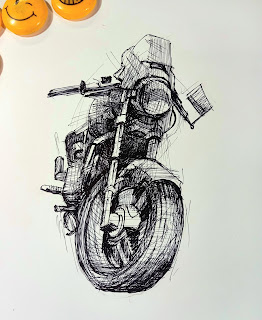
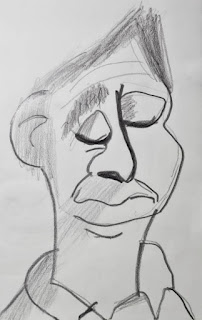
Desenhar com leveza é uma das habilidades mais importantes para quem está começando — e também uma das mais libertadoras. Por isso, gosto de propor treinos rápidos aos alunos, para que aprendam a desenhar com mais fluidez, naturalidade e velocidade.
Desde o início, incentivo o aluno a perder o medo dos traços rápidos, que são justamente os mais precisos, elegantes e cheios de personalidade. Nessas práticas, usamos o lápis 6B, tanto para o esboço quanto para o acabamento, por ser um grafite macio que responde muito bem aos movimentos da mão.
É comum que o aluno iniciante faça traços fortes e lentos. Esse hábito deixa o desenho pesado e, paradoxalmente, menos preciso. Quando pressionamos demais o grafite, bloqueamos o movimento da mão e sacrificamos a naturalidade do traço.
Para desenhar bem, é essencial desenvolver um traço leve e seguro — e isso começa pela forma de segurar o lápis. Durante as aulas, proponho exercícios em que desenhamos juntos, rapidamente, sem preocupação com o resultado final. O objetivo é apenas sentir o movimento, soltar a mão e permitir que o desenho flua.
Às vezes fazemos até dois desenhos rápidos na mesma aula, sempre usando grafites macios, perfeitos para esse tipo de treino. E, com o tempo, todos os alunos descobrem o prazer de ver seu traço se transformar: mais elegante, mais preciso e muito mais bonito.
Treinos rápidos fazem toda a diferença.
Obrigado por visitar nosso blog.
Volte sempre!
Loose Line Training
Drawing with lightness is one of the most important skills for beginners — and also one of the most liberating. That’s why I like to propose quick training exercises, helping students draw with more fluidity, natural movement, and speed.
From the very beginning, I encourage students to lose the fear of fast strokes, which are often the most accurate, expressive, and beautiful. For these exercises, we use a 6B pencil both for sketching and finishing, since its soft graphite responds easily to hand movement.
It’s common for beginners to draw with strong, slow strokes. This habit makes the drawing heavy and, paradoxically, less precise. When we press the graphite too hard, we restrict the hand’s motion and lose the natural flow of the line.
To draw well, it’s essential to develop a light and confident stroke — and that starts with how you hold the pencil. In class, I guide students through fast drawing exercises, where the goal is not perfection, but simply to feel the movement and let the hand loosen up.
Sometimes we even make two quick sketches in the same lesson, always using soft graphite, ideal for this type of practice. With time, every student discovers the joy of seeing their line evolve: more elegant, more accurate, and much more beautiful.
Quick training makes all the difference.
Thank you for visiting our blog.
Come back soon!

Comentários
Postar um comentário